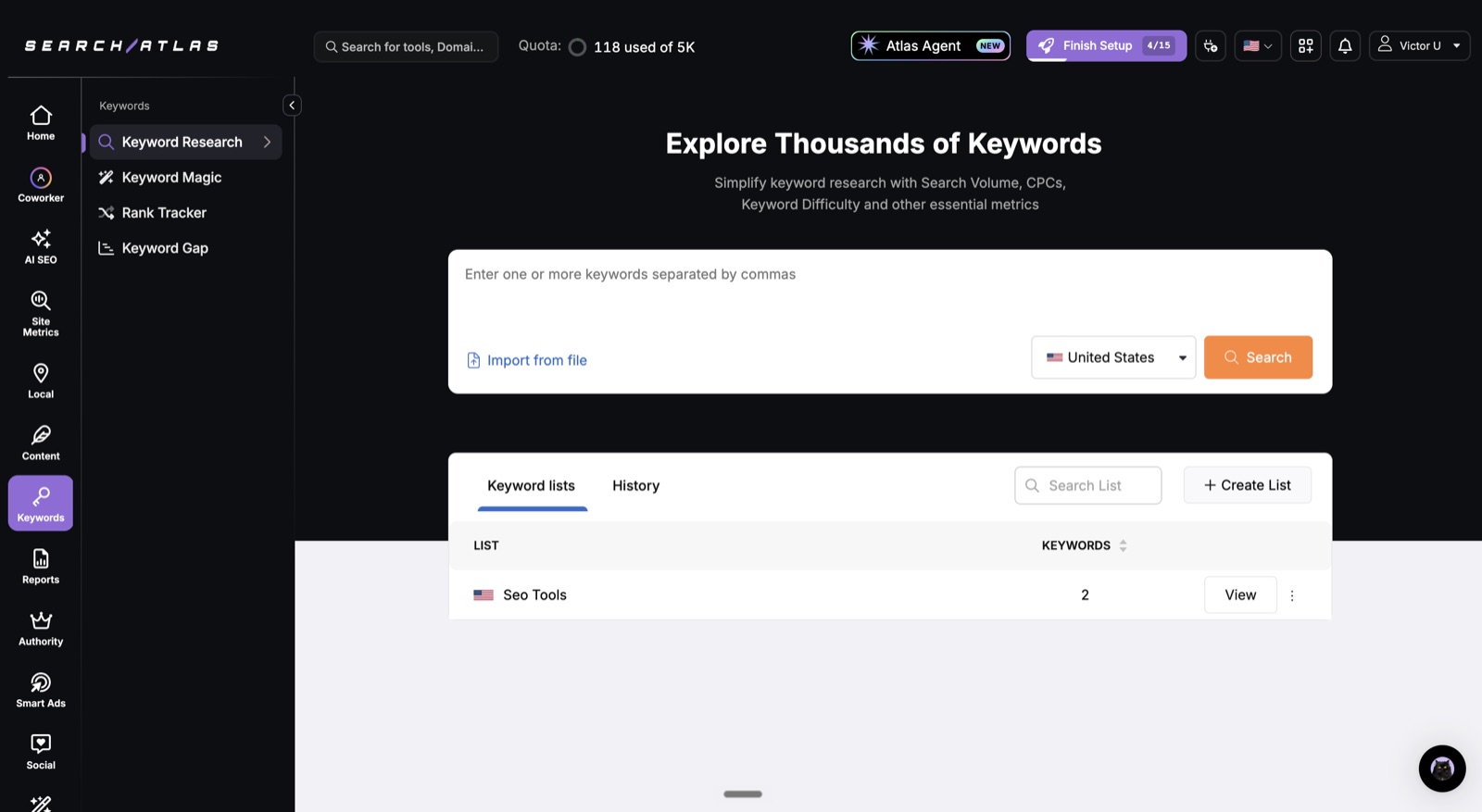
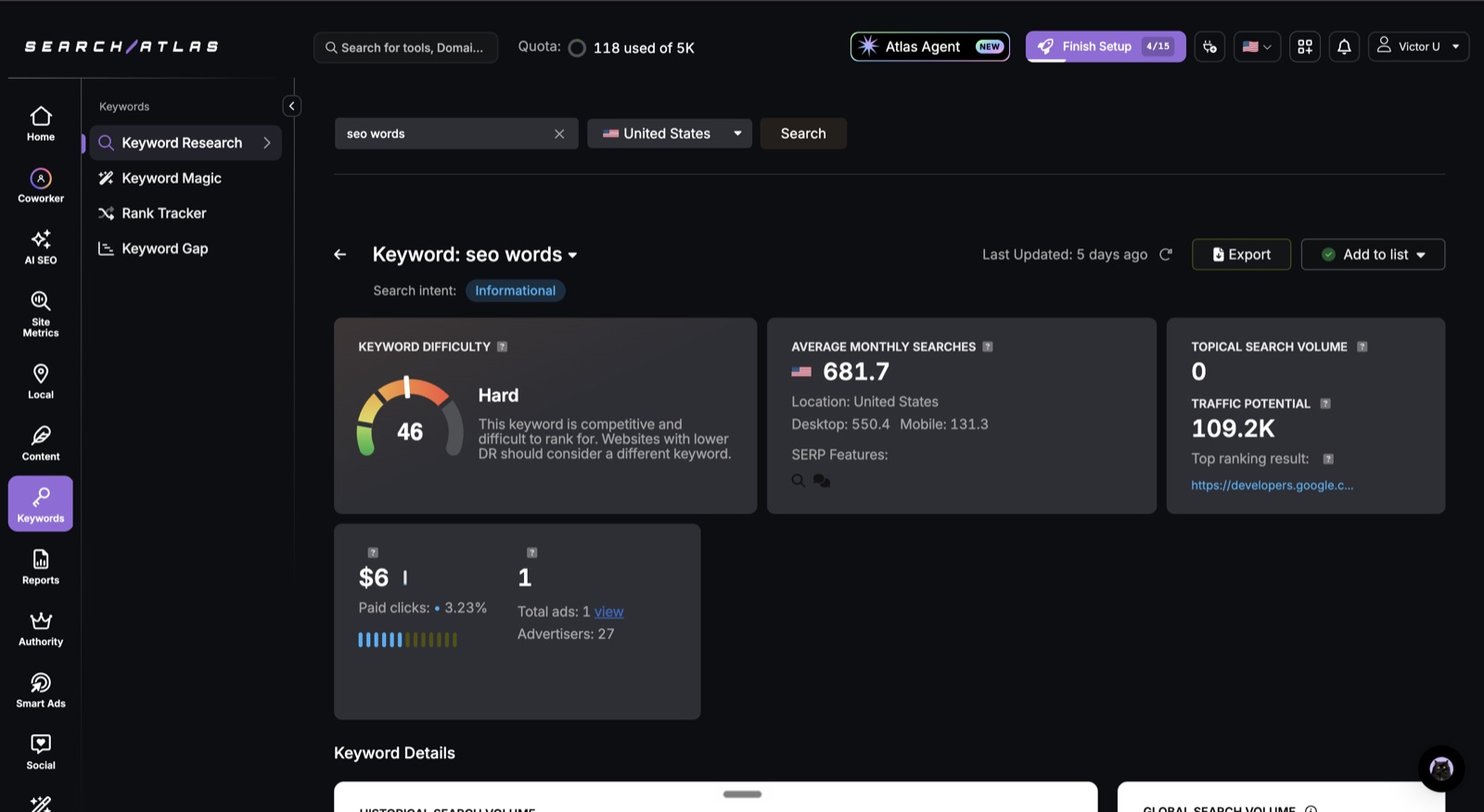
How I led product on Atlas Agent, an autonomous AI agent for SEO and agency work, and the two research engines that power it: Site Explorer and Keyword Explorer. Real tools, real approval gates, real users running their SEO through an agent instead of a dashboard.
Search Atlas is a live, NDA-protected product. The system names, counts, and screenshots below are the ones cleared for public sharing. I can't share anything beyond that — internal metrics, architecture, or roadmap details that go past what's already public.
SEO and agency teams don't struggle to find data. They struggle to act on it fast enough. A competitive audit means pulling backlinks from one tool, rankings from another, ad intelligence from a third, then manually stitching it into a recommendation. Keyword research gets done once in a spreadsheet and never opened again. The tooling exists. The time to use it well does not.
The bet behind this work was simple: instead of building another dashboard, build an agent that does the research and takes the action, in plain English, with a human still holding the approval button on anything that can't be undone.
I was the Product Manager who led the team behind Atlas Agent, Site Explorer, and Keyword Explorer, from defining the problem each one solves to the architecture that made an autonomous agent safe to hand real work to. I worked directly alongside engineering on the routing logic, the tool specs, and the approval-gate protocol, using AI-native engineering to move at a pace that normally takes a much bigger team.
"I stayed in the codebase alongside engineering, not just in the spec. That's what let this go from problem definition to three live systems on one team's timeline."
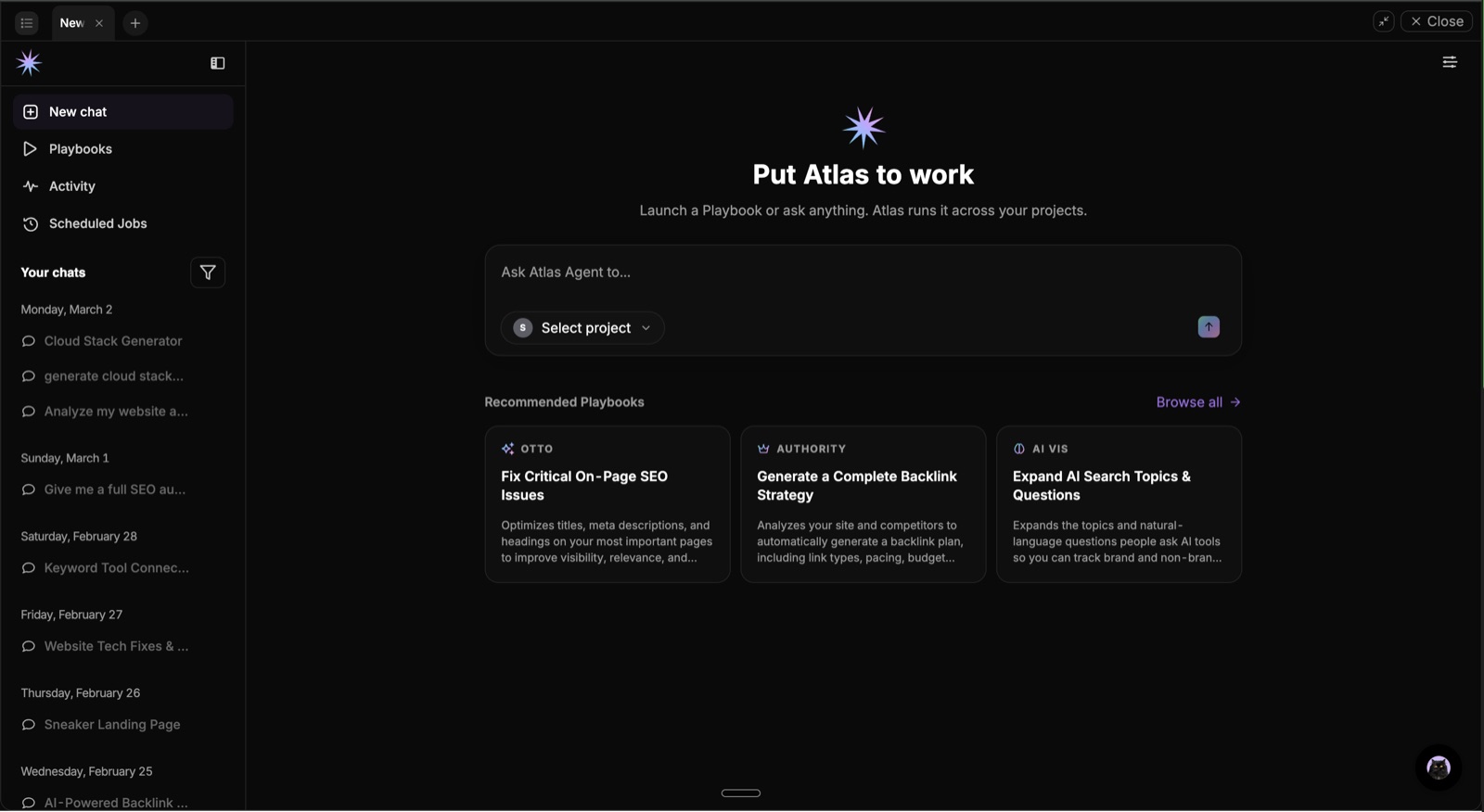
Atlas Agent is not a chatbot that answers questions. It's a conversational agent, built on Anthropic's Claude Agent SDK, that autonomously calls backend tools to research, generate, and take action on a user's behalf. A user types a goal into chat, or launches a Playbook — a ready-made template for a common SEO task — and the agent runs it across their projects.
The core design decision was the routing brain — the part of Atlas Agent that decides which specialist should handle a request, then gets out of the way. It never calls a tool directly. Its only job is routing a request to the right one of 13 specialist agents, Site Explorer, Content, AI Visibility, and more. That separation is what makes 13 specialists behave like one coherent product instead of 13 competing ones.
The second decision was the trust layer: a human-approval gate before anything that changes live state, publishing, deleting, deploying. The agent always shows the impact and asks first. That gate is what makes it safe to let an agent act autonomously on a real business asset.
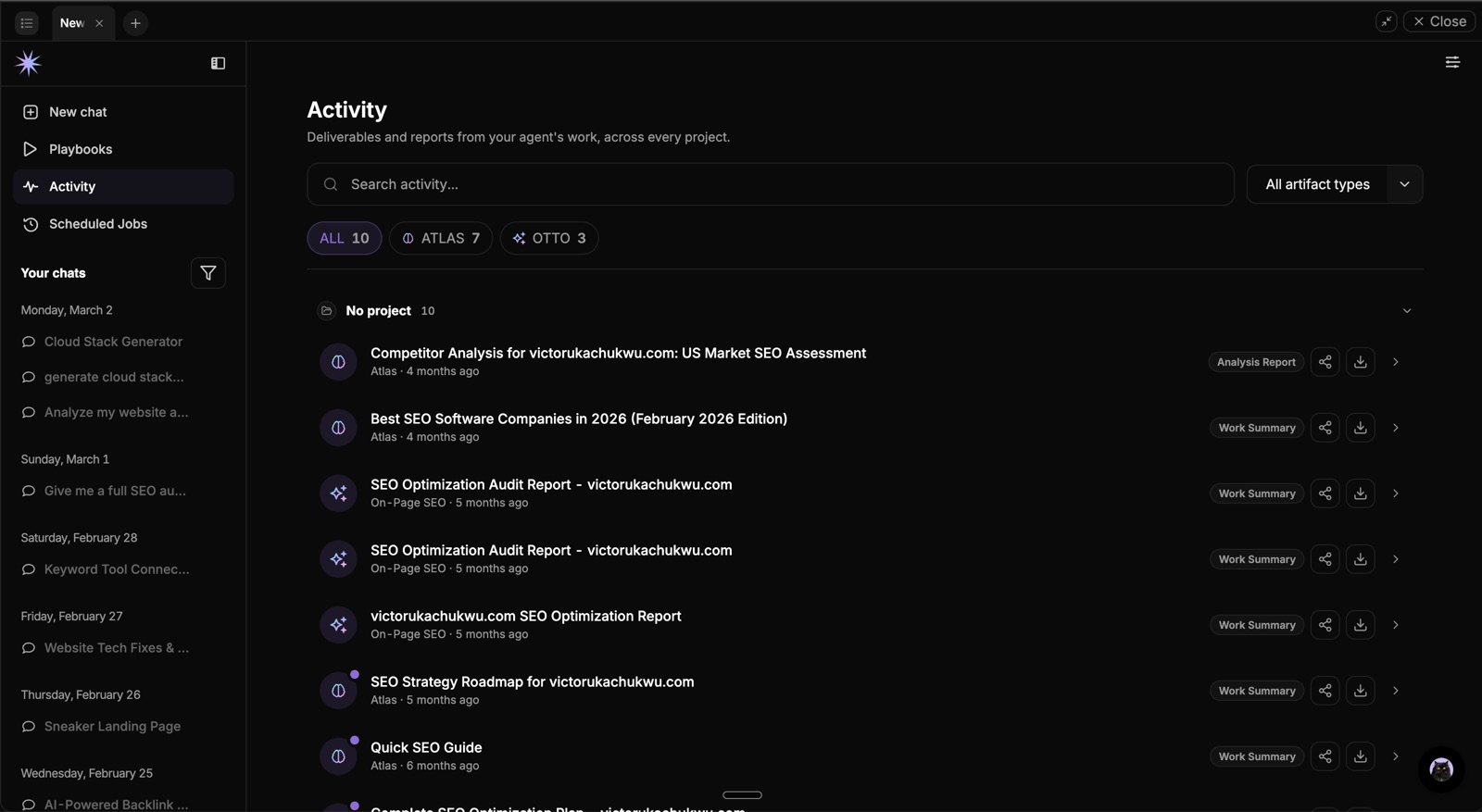
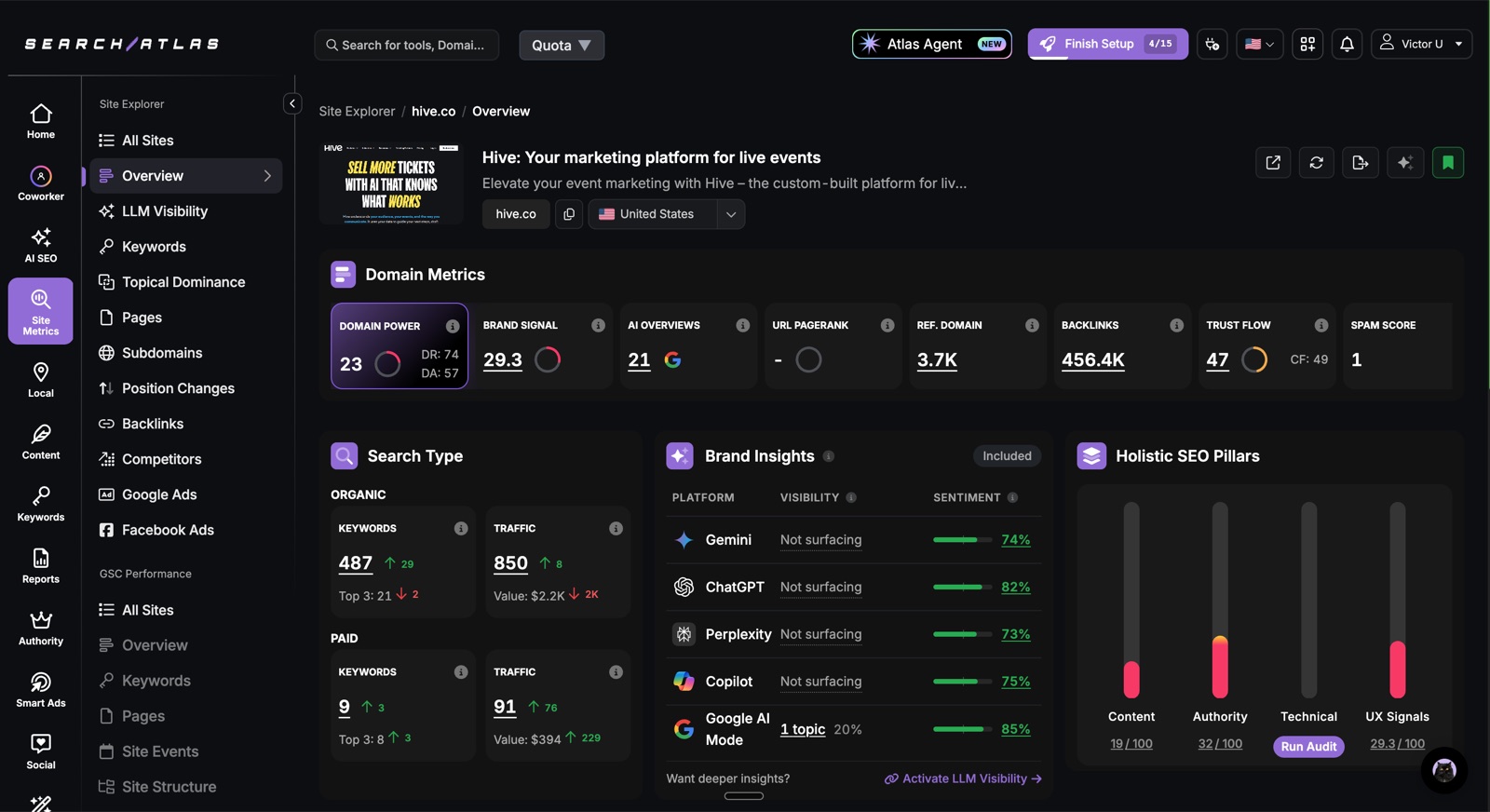
Agencies used to spend hours manually pulling a competitor's backlinks, organic rankings, and paid-search intel from separate tools before writing a single recommendation. Site Explorer gives Atlas Agent roughly 39 tools across those exact surfaces, plus a Holistic SEO score built on four pillars: Technical, Content, Authority, and UX.
The result is that a user can ask "how does this competitor beat me on backlinks" and get a real, data-backed answer immediately, instead of exporting three CSVs and building a comparison deck.
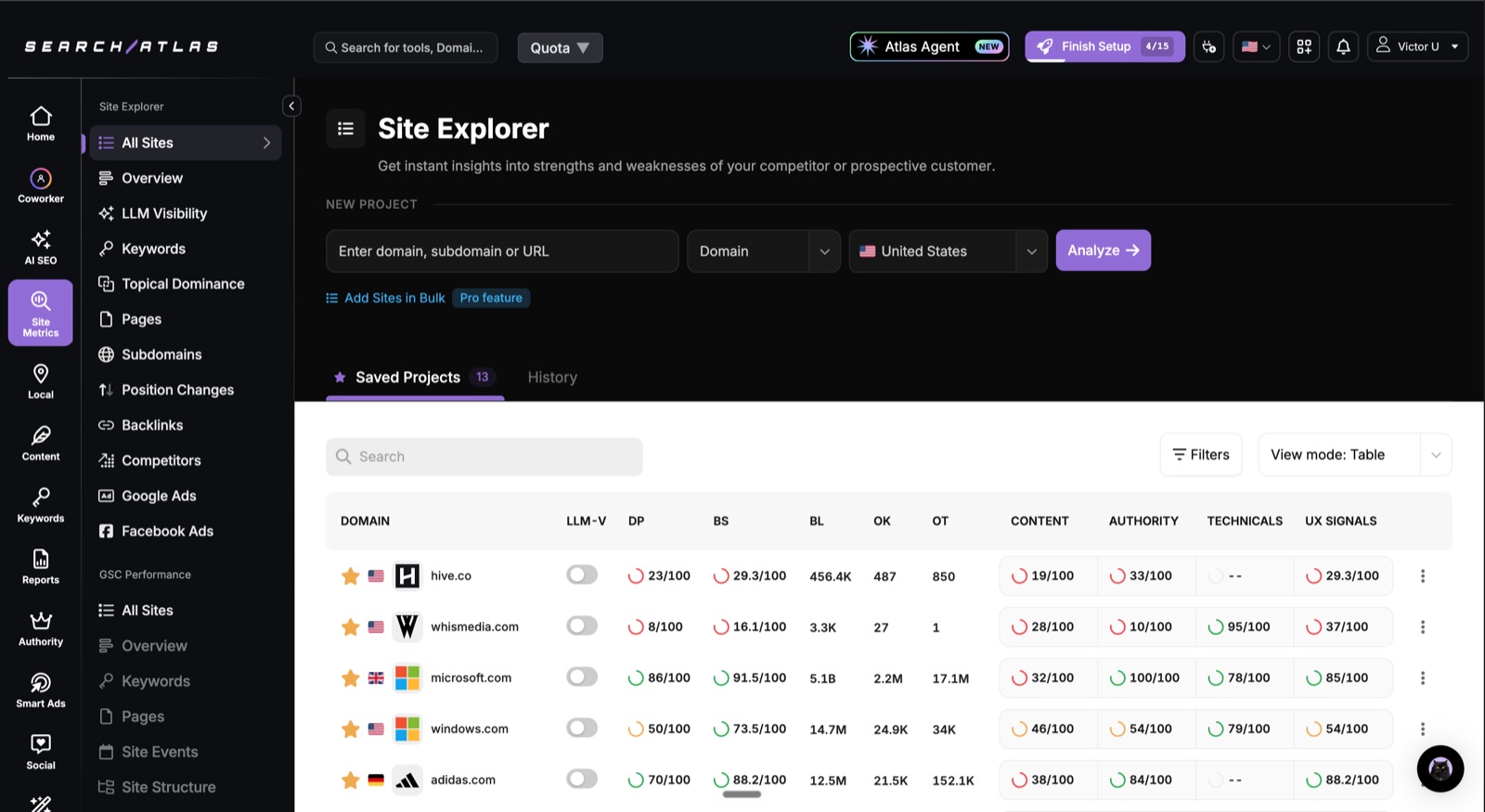
Keyword research is normally a one-off spreadsheet grind: search, screenshot, forget. Keyword Explorer is built as persistent, named projects per domain or niche, so a user sets up a research project once and Atlas Agent keeps tracking SERP data (search-results-page data — where a page ranks and what surrounds it), difficulty, volume, and rankings against it over time, turning a lookup into an asset the user, and the agent, can return to.